
From solar-powered production to nationwide community programs — how Roan Foods & Brands grows responsibly, for the people and the region we operate in.
Environmental · Social · Governance
Our production lines run on a 24kWh integrated solar system — cutting our environmental footprint and shielding operations from grid instability.
Our Lusaka production facility runs on an integrated solar and battery storage system, commissioned in April 2026 with Sosimple Energy. Solar and storage carry the daily load, with the national grid held in reserve as backup — cutting our environmental footprint and shielding production, cold storage and dispatch from grid instability.
Waste — Waste is segregated at source across the factory into plastic, paper, organic, glass and e-waste streams using colour-coded bins, and handled through contracts with licensed collection and disposal partners. No solid waste is allowed to enter site drains.
Water & effluent — Water is drawn from borehole and tank supply and tested monthly for microbiological, chemical and physical quality. Wash water and liquid waste pass through grease traps and are directed to the municipal effluent line for treatment before release.
Through our Farmer Aggregation Centers, we buy directly from Zambian smallholder farmers, giving them a guaranteed, stable market. We recruit and train Zambians aged 18–35 through structured vocational placement.
Our community work extends beyond the value chain. In July 2026, our team served lunch to around 230 children at PaKachele Community School on Zambezi Road, Lusaka — each child receiving a mini pizza, a sausage roll and a deli product prepared in our own facility. And the program has continued with the next visit scheduled for the 18th of September 2026.
Food safety and quality sit at the centre of how we operate. Production is governed by a controlled Food Safety SOP & Policy Manual (ref FS-MAN-001), built on the principles of ISO 22000 and approved at Chief Executive level.
Traceability — Every raw material is traceable through production to finished product. Materials carry day colour-codes and sequential batch numbers, recorded from intake through to the batch codes printed on outer cases, so any batch can be isolated ahead of dispatch.
Supplier control — Incoming ingredients, packaging and materials are inspected on receipt, delivery vehicles are checked for integrity and hygiene, and certificates of analysis are requested from suppliers. Non-conforming material is quarantined and cannot enter production.
Testing & monitoring — Finished products, raw materials, water and the production environment are tested on a defined schedule — including monthly microbiological testing of finished product and water, and routine environmental swabbing — with out-of-specification results triggering investigation and, where needed, our incident and product-recall procedure.
Allergen management — Allergens are stored separately, declared in supplier and customer specifications, and managed by trained staff to prevent cross-contamination.
Equipment calibration — Measuring and monitoring equipment critical to safety is calibrated on a set schedule, from scales checked twice daily to metal detectors certified annually.
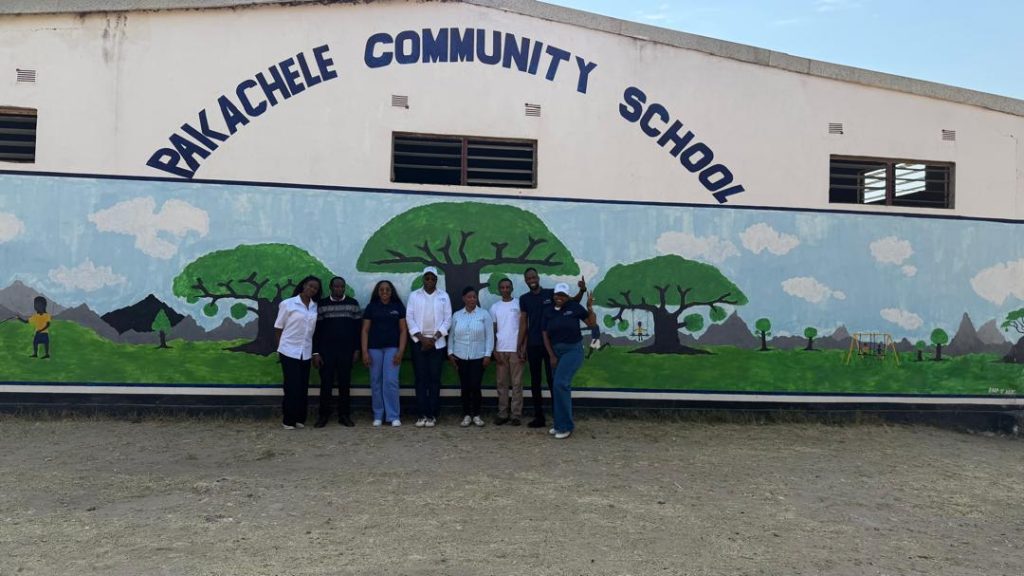
On a Thursday afternoon in July, our team set up a food station at PaKachele Community School, along Zambezi Road in Lusaka, and served lunch to around 230 children — each receiving a mini pizza, a sausage roll, and a deli product.
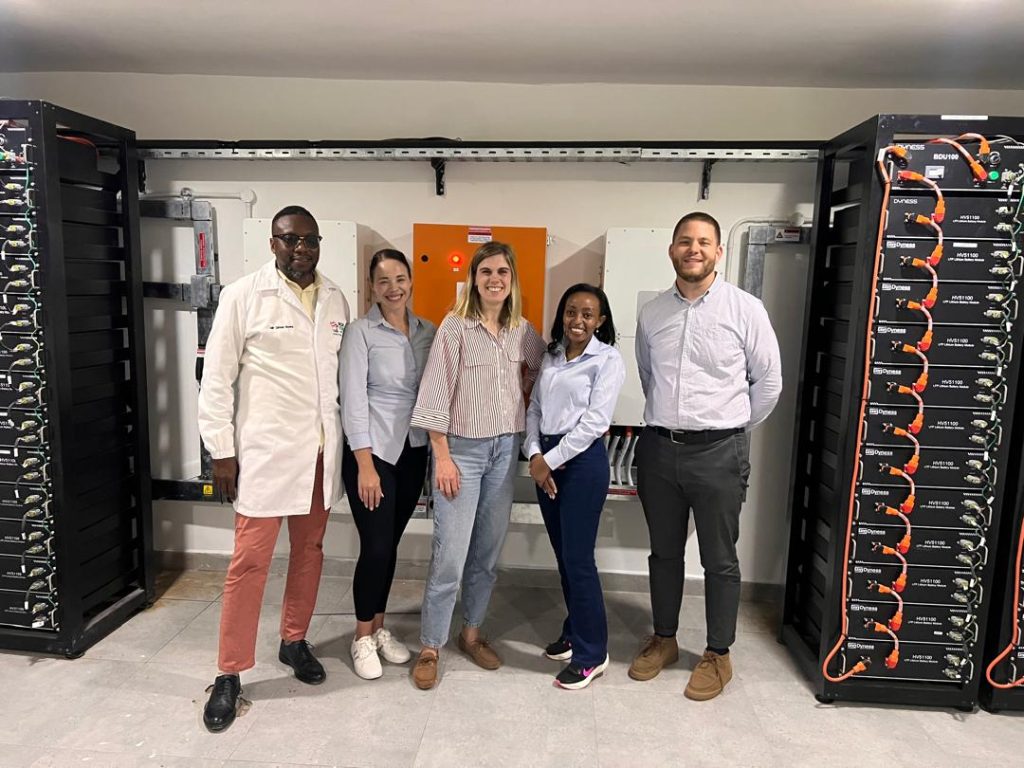
Our 24,000 KWH integrated solar system powers our core processing and manufacturing lines, reducing reliance on the national grid and lowering our operational carbon footprint.
In February 2026, we partnered with Sosimple Energy to install a solar and battery storage system at our Lusaka factory. The team was on site from 24 February, and after five weeks of installation — mounting structures, panels, battery racks, inverters, and cabling — the system was commissioned on 1 April 2026. ZESCO approved our net metering consent that same month.
Solar and battery storage now carry our production load first, with the grid running as backup — not a full off-grid setup, but a meaningful shift in how we power the factory floor.
We’re happy to share more detail on our environmental, social, and governance practices directly.